
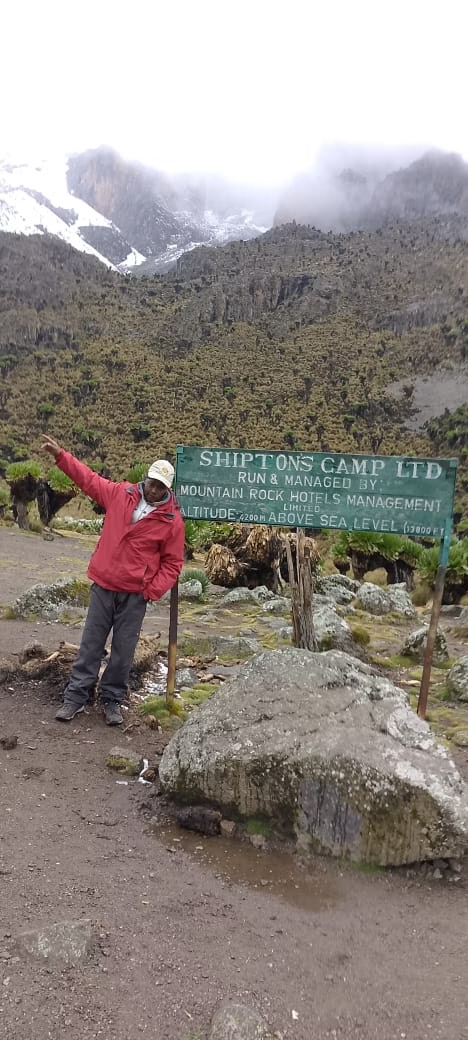
Climbing Mount Kenya’s True Summit: The Beauty and the Dangers
By Mount Kenya Hiking — mountkenyahiking.com
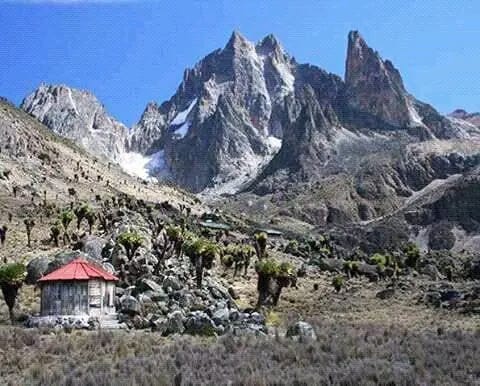
Ask most people about climbing Mount Kenya and they picture the popular trek to Point Lenana — a tough but non-technical hike that thousands of people complete every year. What many don’t realize is that Point Lenana is not actually the top of the mountain. The two true summits, Batian (5,199 m) and Nelion (5,188 m), are steep towers of solid rock, and the only way to stand on them is to climb — with ropes, harnesses, and a skilled guide.
For those who make the journey, it is one of the most rewarding adventures in Africa. It is also a serious mountain that has, over the years, claimed lives — and understanding why is the first step to climbing it safely. This post covers both sides of that story: the magic, and the respect the mountain demands.
What Makes It So Special
Mount Kenya is an ancient volcano, and its twin peaks are what remains of its hardened core after millions of years of erosion. The result is dramatic: sheer rock faces rising above small glaciers, sitting almost exactly on the equator.
The experience of climbing here is unlike anywhere else:
- You walk in through forests full of elephants and buffalo, then through a strange and beautiful high-altitude world of giant groundsels and lobelias — plants found almost nowhere else on Earth.
- The climbing follows routes first pioneered over a century ago. The first ascent of Batian was made in 1899, and climbers today still follow in those historic footsteps.
- Unlike the world’s famous crowded peaks, you may well have the mountain almost to yourself.
- Some climbers even spend a night in a tiny hut perched right on the summit of Nelion — falling asleep on top of Kenya, above the clouds.
Who Can Do It?
You do not need to be a professional mountaineer, but this is not a beginner’s outing either. Realistically, you should:
- Have some rock climbing experience — enough to be comfortable on ropes and steep ground for many hours.
- Be fit enough for several long days of hiking at high altitude before the climb even begins.
- Be willing to climb with an experienced local guide. On Mount Kenya, a good guide is not a luxury — the routes are hard to find, the weather changes fast, and getting down safely is often the hardest part of the day.
If you’re a trekker rather than a climber, don’t be discouraged: the hike to Point Lenana passes directly beneath the great rock faces, and sunrise from Lenana — with Batian and Nelion glowing gold above the glacier — is a life-list moment in its own right. Many people trek first, fall in love with the mountain, and come back later to climb.
Understanding the Risks — and Why They Matter
As guides who have spent decades on this mountain, we believe every climber deserves the full picture. Mount Kenya’s summits are serious alpine terrain, and over the years the mountain has claimed the lives of both visiting climbers and experienced mountaineers. Knowing where the real risks lie is what keeps you safe:
- Altitude sickness. At over 5,000 metres, the air holds barely half the oxygen it does at sea level. Climbing too high, too fast can lead to serious — and sometimes fatal — altitude illness. It is also the most preventable danger on the mountain: a well-paced itinerary solves most of it.
- Falls on the descent. Getting to the summit is only halfway. Coming down involves a long series of rope descents, often in the afternoon when climbers are tired and clouds have rolled in. Most serious accidents happen on the way down, not the way up.
- Sudden weather. Mornings are usually clear, but by midday the mountain can vanish into freezing mist, hail, or snow — yes, snow on the equator. Early starts keep climbers off the high faces when storms arrive.
- Rockfall and ice. The mountain’s glaciers are shrinking, and loose rock and unstable ice have become more of a hazard in recent years. Experienced guides know which lines to take and when.
The accidents that have happened on Mount Kenya share common threads: climbing without a guide, rushing acclimatization, ignoring the weather, or pushing on when the mountain was saying no. Almost all of them were preventable — and that is precisely why a well-planned, well-guided expedition looks so different from a risky one.
How We Keep the Adventure Safe
A safe climb of Mount Kenya isn’t about luck — it’s about doing things the right way:
- Taking enough days. We build in a gradual walk-in and acclimatization time, usually including a warm-up trek to Point Lenana, so your body is ready before the technical climb begins.
- Climbing with experienced guides. Our guides know the routes, the descent stations, and — just as importantly — the mountain’s moods. They know when to go and when to wait.
- Alpine starts. Summit days begin in the dark, so the climb is done before the afternoon weather arrives.
- The freedom to turn around. The summit is optional; coming home is not. A good expedition treats turning back not as failure but as good judgment — the mountain will still be there.
The Reward
Stand on Batian or Nelion at dawn and you will see the shadow of Mount Kenya stretching across half the country, the lights of towns far below, and — on the clearest days — Kilimanjaro floating on the horizon 300 kilometres away. Very few people on Earth have seen that view. It is earned, not given, and that is exactly what makes it unforgettable.
Frequently Asked Questions
Can you climb Mount Kenya without technical experience?
You can trek to Point Lenana (4,985 m) without any climbing experience. The true summits, Batian and Nelion, require rock climbing skills and should be attempted with an experienced guide.
How many days do you need to climb Mount Kenya?
For the technical summits, plan for around seven days — this allows proper acclimatization, which is the single biggest factor in a safe and successful climb. Treks to Point Lenana typically take four to five days.
What is the difference between Point Lenana and Batian?
Point Lenana is the trekking summit, reachable on foot. Batian is the true highest point of Mount Kenya and can only be reached by technical rock climbing.
How dangerous is climbing Mount Kenya?
With proper acclimatization, an experienced guide, and sensible weather decisions, the risks are well managed. Most serious incidents on the mountain have involved climbing unguided, ascending too quickly, or ignoring changing weather.
Ready to Dream Big?
At Mount Kenya Hiking, we help adventurers experience this mountain safely — from trekking expeditions to Point Lenana to fully supported technical climbs of Nelion and Batian, with experienced guides, proper acclimatization itineraries, park fees, and all mountain logistics taken care of.
If the true summit of Mount Kenya is calling you, get in touch through mountkenyahiking.com — we’ll help you answer it the right way.
Non-technical trekkers should compare the main Mount Kenya hiking routes. Before any high-altitude climb, review our Mount Kenya altitude safety guide.