
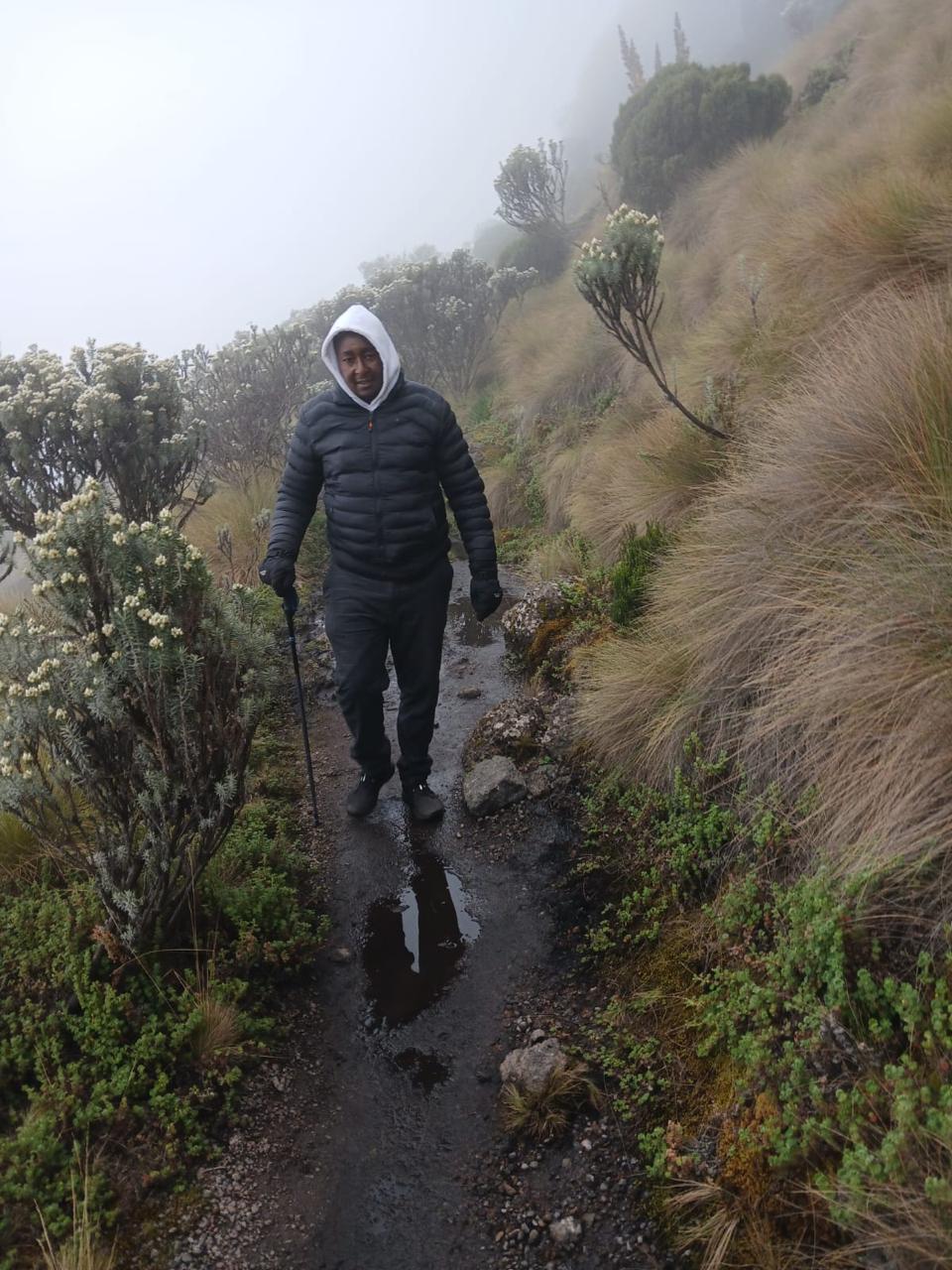
Mount Kenya Fitness & Training Guide: How to Prepare
You don’t need to be an athlete, but a few weeks of the right training make a real difference at altitude
By Mount Kenya Hiking | mountkenyahiking.com
One of the most common questions we get before a trek is some version of: “Am I fit enough for this?” The honest answer is that you do not need to be an elite athlete to reach Point Lenana, but you do need a reasonable baseline of cardiovascular fitness and leg strength, built up over several weeks, not days.
This guide explains what kind of fitness Mount Kenya actually demands, a simple training timeline you can follow in the weeks before you travel, and how training fits alongside acclimatisation once you’re on the mountain.
What the Trek Actually Demands
A guided Mount Kenya trek typically involves four to six hours of walking a day, for four to six consecutive days, much of it on uneven terrain and a meaningful net altitude gain. Summit night itself is longer: a pre-dawn start and ten to twelve hours of walking on summit day is normal. None of this requires technical skill on the standard routes, but it is sustained, repeated physical effort, day after day, which is a different demand than a single hard hike.
The two things that matter most are cardiovascular endurance, the ability to keep moving steadily for hours without your heart rate spiking, and leg strength, particularly for descents, which are often harder on the body than the climb up.
A Simple Self-Check
If you can comfortably walk for two to three hours on hilly terrain with a daypack, and recover reasonably quickly afterward, you already have a workable base to build from. If stairs leave you breathless after one flight, that’s useful information too, it just means training should start earlier rather than closer to your travel date.
Training Timeline
8 to 12 weeks before: build your base
- 3 to 4 sessions of cardio a week, 30 to 60 minutes each — brisk walking, jogging, cycling, or swimming all work
- 2 sessions a week of basic strength training, focused on legs and core: squats, lunges, step-ups
- One longer walk on the weekend, gradually increasing in length
4 to 8 weeks before: add load and terrain
- Start carrying a daypack with some weight on your training walks, building toward what you’ll actually carry on the mountain
- Seek out hills, stairs, or an incline on a treadmill — flat ground does not prepare your legs for sustained ascent and descent
- Extend your longest weekly walk to 4 to 5 hours where possible
1 to 4 weeks before: taper, don’t peak
- Reduce training volume in the final week or two so you arrive rested, not fatigued
- Use this period to break in your boots fully if you haven’t already — new boots on the mountain is a common, avoidable problem
- Focus on sleep and hydration in the days immediately before you travel
| Timeframe | Cardio | Strength | Long walk |
| Weeks 1–4 | 3x/week, 30–45 min | 2x/week, bodyweight | 1–2 hours |
| Weeks 5–8 | 3–4x/week, 45–60 min | 2x/week, add load | 2–3 hours, with daypack |
| Weeks 9–11 | 3–4x/week, hills/stairs | 2x/week | 4–5 hours, full daypack |
| Final week | Light, easy effort | Rest or very light | Short, easy walk only |
Fitness Helps, but It Doesn’t Replace Acclimatisation
It’s worth being direct about this: being fit makes the trek more comfortable and reduces fatigue, but it does not prevent altitude sickness on its own. Fitness and acclimatisation are two separate things. A very fit hiker can still develop Acute Mountain Sickness if they ascend too quickly, while a moderately fit hiker on a well-paced itinerary, with proper hydration and rest days, often does better than expected. If you want to understand how altitude affects the body and how guided pacing manages that risk, our altitude sickness guide covers that side of preparation in detail.
Mental Preparation Matters Too
Long days, basic hut or tent accommodation, and a pre-dawn summit push in the cold are part of the experience, not a flaw in it. Most first-time trekkers find the hardest part isn’t the physical effort itself, it’s maintaining motivation through a long, cold, early morning push when the summit still feels far away. Knowing that this discomfort is temporary and completely normal, and trusting your guide’s pacing, goes a long way on summit night.
Getting Ready With the Right Support
Training prepares your body, but the right guide makes the difference on the day itself, pacing the group appropriately, reading how you’re doing, and adjusting the plan if needed. Mount Kenya Hiking’s guided treks are led by Patrick Kinyua, who has 25 years of experience reading exactly this kind of situation on the mountain, paired with KWS training in mountain safety.
Whatever your current fitness level, a few weeks of consistent, sensible training will make a real difference to how much you enjoy the trek rather than simply endure it. Get in touch to talk through your route, your timeline, and how to prepare for the specific itinerary you have in mind.
Pair your training plan with the complete packing list and our advice on altitude sickness on Mount Kenya.